 Sub Domain
A Smart Office helps modern companies create work environments that improve employee performance, strengthen customer impressions, and support overall business growth. A poorly planned workspace can reduce focus, increase stress, and create communication problems among team members during busy workdays. Businesses that invest in comfortable layouts and functional interiors often notice better teamwork and stronger productivity over time. Professional environments should support both daily operations and long-term company goals without creating unnecessary distractions for employees.
Why Smart Office Design Matters for Modern Businesses
The layout of a professional workspace influences how employees think, communicate, and complete important tasks every day. Open areas can improve collaboration between departments, while private rooms help workers concentrate on projects that require deep focus and attention. Companies that balance shared and private spaces usually create healthier and more efficient working conditions for their teams. A well-designed environment also helps employees feel respected, valued, and motivated throughout the workday.
Lighting is another important factor that directly affects employee comfort and workplace performance in modern businesses today. Natural light can improve mood, reduce eye strain, and create a more positive atmosphere for people spending long hours indoors. Many companies now use larger windows, energy-efficient lighting systems, and brighter interior colors to support healthier working environments. Better lighting choices can also reduce energy costs while improving the overall appearance of professional spaces.
-
Smart Office Solutions for Technology and Workspace Planning
Technology has transformed the way businesses operate, communicate, and manage daily responsibilities across different industries worldwide. Fast internet connections, wireless meeting systems, and cloud-based tools help employees complete work more efficiently without unnecessary delays or confusion. Companies that invest in reliable digital systems often improve collaboration between office teams and remote workers during important projects. These upgrades also help organizations adapt more easily to changing business needs and modern customer expectations.
Smart Office Design Ideas for Modern Businesse continue to influence how organizations plan flexible and productive environments for employees and clients. Adjustable desks, modular furniture, and digital scheduling systems allow teams to work more comfortably during different tasks and meetings. Businesses that introduce flexible layouts often create better experiences for workers who need both collaboration and privacy throughout the day. This modern approach also helps companies use available space more efficiently while maintaining a clean and organized appearance.
Employee Wellness and Workplace Comfort
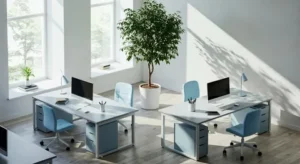
Employee wellness has become a major priority because healthy workers usually perform better and maintain stronger focus during demanding schedules. Comfortable chairs, quiet break rooms, and proper ventilation can reduce physical strain and improve daily energy levels for staff members. Many organizations now include indoor plants and relaxation spaces because calmer environments often lower stress and support mental well-being at work. Small changes in comfort can therefore produce meaningful improvements in productivity, morale, and employee satisfaction.
Modern businesses also understand the importance of creating welcoming environments for clients, visitors, and business partners entering the workplace. Clean reception areas, organized meeting rooms, and professional interior design can create strong first impressions during presentations or consultations. Companies that maintain attractive and functional spaces often appear more trustworthy and reliable to potential customers and investors. This positive image can strengthen professional relationships and support long-term business success in competitive markets.
Flexible Workspaces for Growing Companies
Flexible workplace strategies are becoming more common because many companies now support hybrid schedules and remote collaboration for employees. Shared desks, multipurpose meeting rooms, and digital communication tools allow teams to adapt quickly to changing daily responsibilities. Businesses that encourage flexibility often experience stronger employee satisfaction because workers appreciate environments that support different working styles and personal needs. Adaptable layouts also help organizations prepare for future growth without requiring constant redesigns or expensive renovations.
Many business owners ask whether workplace improvements truly increase productivity and employee performance over time. Practical experience and workplace research show that organized layouts, ergonomic furniture, and quiet work zones can improve concentration while reducing stress during long projects. Another common question involves how businesses can upgrade their workspaces without overspending on unnecessary features or complicated renovations. Experts usually recommend focusing on lighting, comfort, technology, and efficient layouts before making expensive decorative changes.
