 Sub Domain
A school office plays a vital role in creating a well-organized educational environment and helping schools manage communication, student records, and administrative responsibilities more effectively every day. Parents, teachers, and students often depend on administrative staff for accurate information and quick support during busy schedules. Schools that maintain structured systems usually create smoother daily operations and better experiences for visitors and staff members. Efficient management also helps educational institutions build stronger trust within the community and maintain professional standards throughout the academic year.
The Importance of School Administration
Administrative departments play a major role in maintaining order and communication across educational institutions of every size. Staff members handle attendance records, admissions, scheduling, and parent inquiries while supporting teachers and school leadership. When systems are organized properly, students receive faster assistance and fewer delays during important academic processes. Strong administration therefore contributes directly to a more productive and positive learning environment for everyone involved.
Technology has become an essential part of modern educational management in recent years because schools now manage large amounts of information digitally. Cloud-based software, online registration systems, and digital communication platforms help staff complete tasks more accurately and efficiently. Educational institutions that invest in reliable technology often improve communication between teachers, parents, and administrative teams. Digital systems also reduce paperwork while making important records easier to organize and access when needed.
School Office Solutions That Improve Workplace Productivity
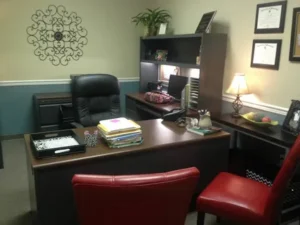
A comfortable workspace can improve staff performance, reduce stress, and support better communication throughout the school day. Proper lighting, organized desks, and quiet working areas help employees focus on administrative tasks without unnecessary distractions. Many schools now use ergonomic furniture and efficient storage systems to improve comfort and increase workplace productivity. Simple improvements in organization can save valuable time and create a more professional environment for staff and visitors.
The school office should also create a welcoming atmosphere for parents, students, and guests entering the building for information or support. Clean reception areas, clear signage, and friendly communication can leave a strong first impression on visitors during important meetings or school events. Educational institutions that maintain professional environments often improve parent confidence and strengthen relationships within the community. Positive interactions at the administrative level can also encourage better cooperation between families and school leadership.
Clear communication is one of the most important responsibilities within any educational institution today. Administrative teams regularly coordinate with teachers, students, transportation staff, and parents to ensure daily operations run smoothly and efficiently. Schools that use organized communication systems can respond more quickly to emergencies, schedule changes, and student concerns during busy periods. Effective communication also helps reduce misunderstandings and improves overall trust between families and educational staff.
Student support services have become increasingly important because schools now focus on both academic success and emotional well-being. Administrative teams often assist with attendance issues, counseling coordination, and student scheduling throughout the academic year. Quick access to information allows staff to solve problems faster while supporting students in a professional and caring manner. Schools that prioritize support systems usually create safer and more comfortable learning environments for children and teenagers.
Smart Organization and Modern Solutions
Modern educational institutions continue to adopt smarter administrative strategies that improve efficiency and reduce unnecessary workloads for staff members. Shared digital calendars, automated attendance tracking, and secure data systems help schools manage responsibilities more effectively every day. These tools allow employees to focus more on student needs instead of spending excessive time on repetitive paperwork. Organized systems also improve accuracy while helping educational institutions maintain better records and communication standards.
Many school leaders ask how they can improve administrative performance without increasing operational costs significantly over time. Experts often recommend starting with practical upgrades such as digital record systems, better workspace organization, and stronger communication tools for staff members. Another common question involves how schools can create more welcoming environments for parents and visitors entering administrative areas. Professional reception spaces, clear information systems, and friendly staff interactions can greatly improve the overall visitor experience.
